Our History
The Story of Jet Ski Racing at Estero Beach
The Origins — Birth of a Tradition
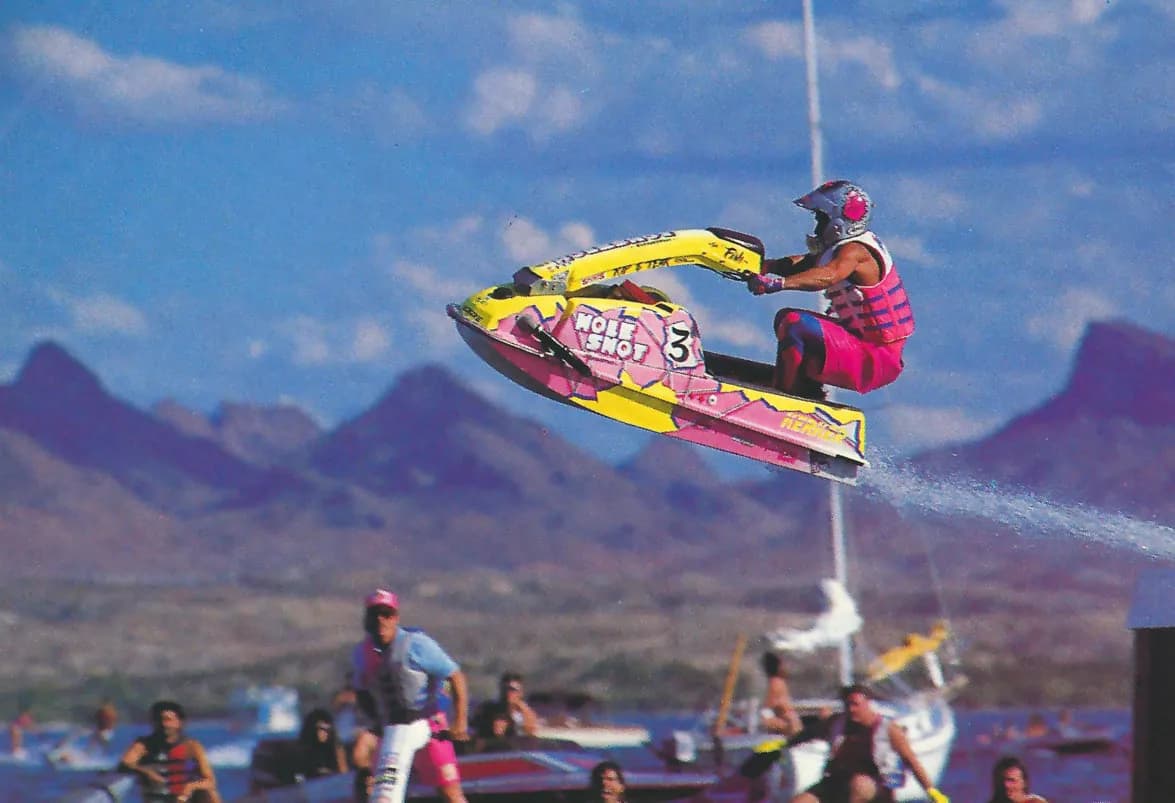
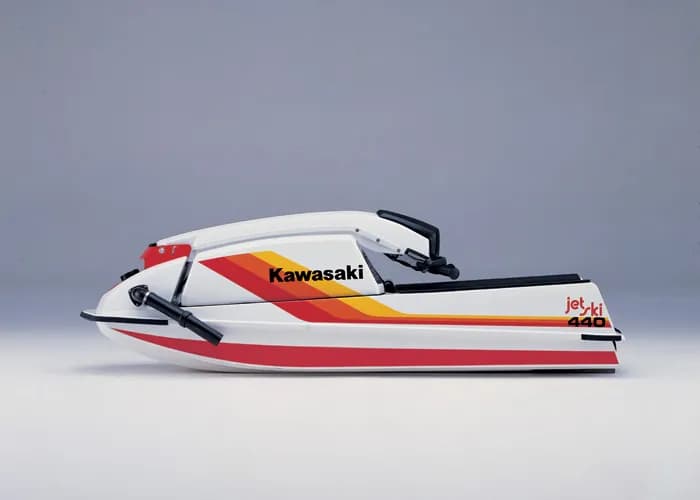
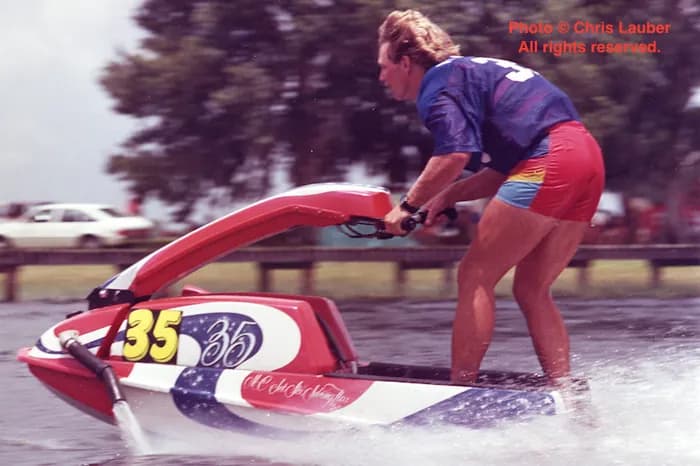
Jet ski racing at Estero Beach was born in the mid-1980s, at a time when the sport was barely taking shape worldwide. The jet ski was a new, exciting, and rapidly growing discipline.
Ensenada, due to its proximity to California, quickly became a natural expansion point for the sport into Mexico. Estero Beach offered something unique: a sheltered bay, natural space for circuits, and ideal conditions for endurance and closed-course racing.
It was in this context that events began to be organized, bringing together riders from Mexico and the United States — many of them pioneers of the sport.
The Golden Era
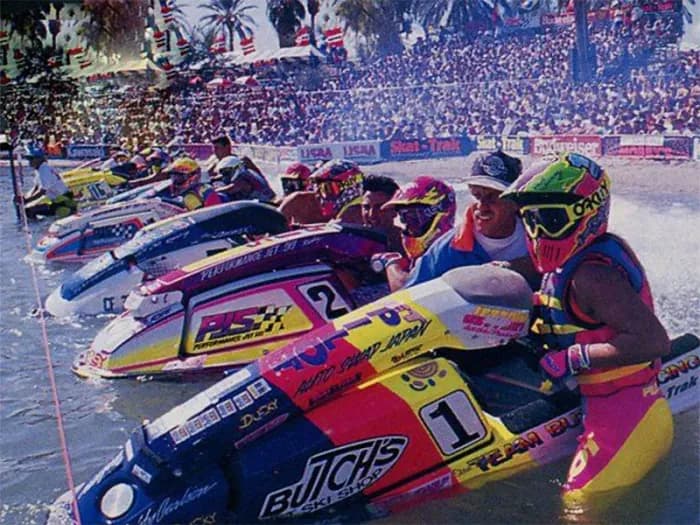
For over a decade, Estero Beach became one of the most important jet ski venues in the region. Competitions were held consistently with strong international participation, attracting top-level riders from California and beyond.
Two main formats were developed that remain relevant today: Closed Course racing and open-water endurance races. It was an era defined by authentic spirit — competition, community, innovation, and spectacle.
Here, a culture was consolidated that defined an entire generation of riders.
Binational Impact
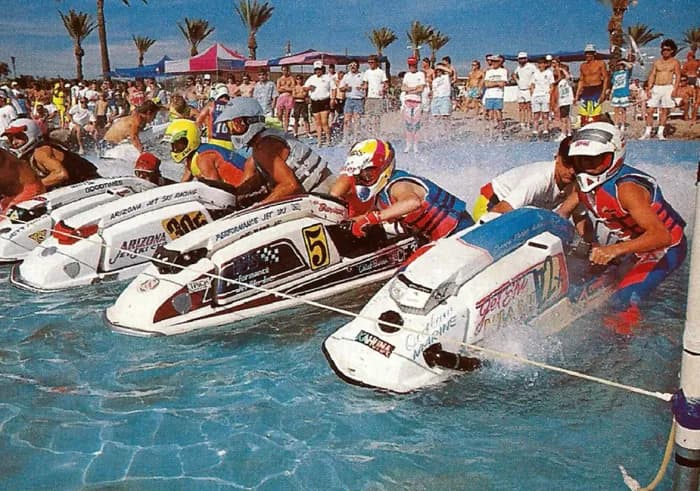
Estero Beach played a key role in connecting the Southern California scene, the pioneers of jet ski in Mexico, and the first independent organizations and promoters.
Many riders who later became important figures in the sport passed through these races. It became a natural meeting point for the community and helped position Ensenada as a destination for high-level water sports.
The Pause
As happened with many water motorsport events, the sport evolved, venues concentrated more in the United States, and several historic races stopped being organized.
Over time, Estero Beach ceased to be an active venue, but the memory and history never disappeared. Many riders still remember those competitions as an important part of their formation.
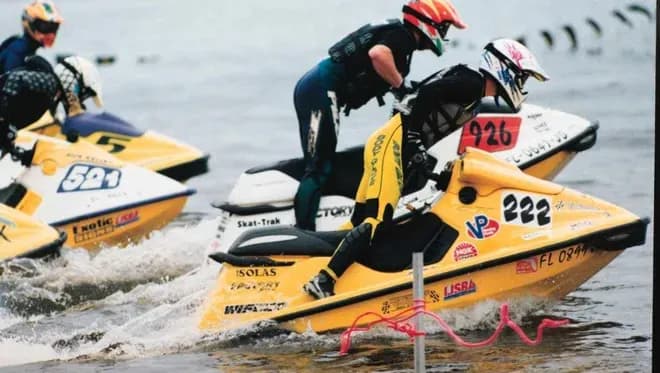
The Renaissance — New Generation, New Vision
Today, decades later, the return of racing represents much more than a sporting event. It means recovering a historic tradition, reconnecting with the roots of jet ski in Baja California, and repositioning Estero Beach as an international venue.
The current project symbolizes: the return of the spirit of the 80s and 90s, the union of new generations with the pioneers, and the evolution of the sport toward a modern production with global streaming.
Estero Beach is Not a New Venue
It's a historic venue.
BIWA doesn't start today — it has roots since 1986.
The 2026 event is not just a race — it's the return of an era.